Reduce Energy Bills UK — 12 Proven Ways to Cut Costs in 2026
Reduce energy bills UK — if that’s what you’re trying to do, you’re not alone. With rising gas and electricity prices, many households are struggling to keep costs under control. You switched suppliers. You turned the thermostat down. You even started wearing an extra jumper indoors. And yet your energy bill is still eye-watering. You are not doing it wrong. The system is genuinely stacked against consumers — and understanding why your bill stays high is the first step to actually doing something about it.
Here is the truth about energy bills in the UK and how to reduce energy bills UK households are facing effectively.
The Real Reason Your Energy Bills in the UK Are Still High
Most people assume their energy bill is high because they are using too much gas or electricity. Sometimes that is true. But the bigger issue is structural.The UK energy market is tied to global wholesale gas prices. Even if you heat your home with electricity, your electricity price is still partly determined by the cost of gas — because gas power stations set the marginal price of electricity across the grid. This means when global gas prices spike, every household in the UK pays more regardless of how careful they are.
On top of that, your bill includes standing charges — a daily fixed fee you pay simply for being connected to the grid — which have risen significantly in recent years. You can use zero energy and still owe money every single day.
Knowing this will not reduce your bill on its own. But it explains why switching off lights and unplugging phone chargers — while sensible — will never be enough on their own to make a meaningful difference.
How to Reduce Energy Bills UK Households Are Paying Today
1. Check Whether You Are on a Standard Variable Tariff
If you have never actively chosen an energy tariff, you are almost certainly on your supplier’s standard variable tariff. This is consistently the most expensive way to pay for energy in the UK. Suppliers are required to cap this tariff in line with Ofgem’s price cap — but the cap is a ceiling, not a target. Being on a fixed tariff when wholesale prices are falling can save you hundreds of pounds per year.
Use Ofgem’s official guidance to understand the current price cap and whether switching to a fixed deal makes sense right now.
2. Use a Comparison Site Before Your Current Deal Ends
Sites like Uswitch and MoneySuperMarket compare every available tariff in your area. The best deals go quickly and many require you to switch before your current contract ends to avoid exit fees. Set a reminder three months before your contract ends and start comparing then — not the week it expires.
3. Get a Smart Meter Installed
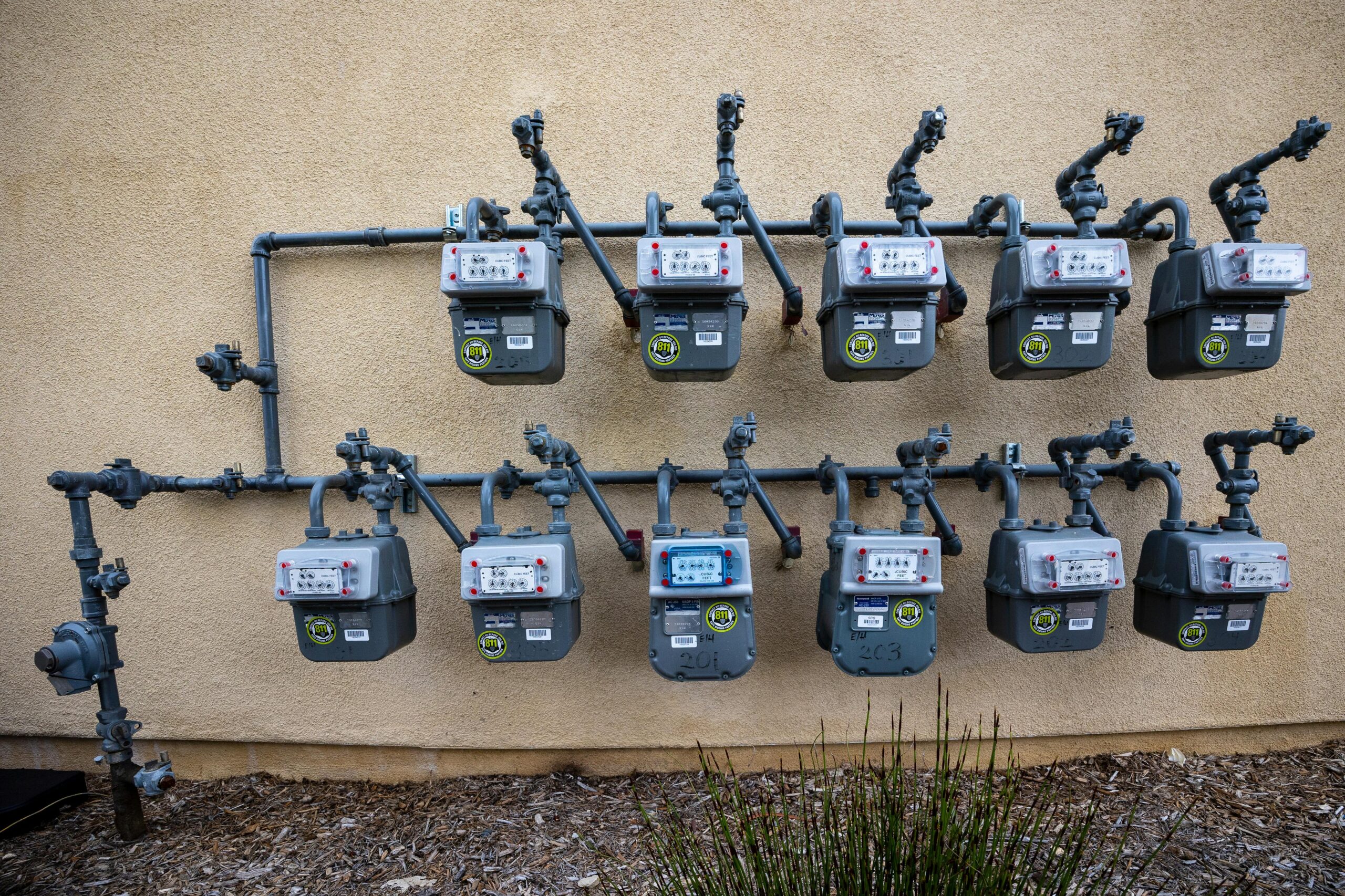
Smart meters are free to install and show you exactly how much energy you are using in real time. Most people who get one reduce their usage simply because they can see the impact of their habits immediately. Leaving the oven on for an extra hour feels very different when you can watch the cost climbing on a display in your kitchen.
Contact your supplier and request one — they are obligated to offer them and there is no cost to you.
4. Improve Your Home Insulation
Heating a poorly insulated home is like filling a bath with the plug out. You can run the boiler constantly and still feel cold because the heat is escaping through your walls, roof, and windows as fast as you generate it.
Loft insulation is one of the cheapest and most effective improvements you can make. Cavity wall insulation, draught-proofing around doors and windows, and thermal curtains all make a measurable difference. The government’s Great British Insulation Scheme offers funded insulation for eligible households — check whether you qualify at gov.uk.
5. Turn Your Boiler Flow Temperature Down
This is one of the most underused energy-saving tips in the UK. Most combi boilers are set at the factory with a flow temperature of 80 degrees. Turning it down to 60 degrees makes the boiler significantly more efficient — particularly if you have a modern condensing boiler — with no noticeable difference in how warm your home feels.
Look for the flow temperature dial on your boiler. It is usually a separate control from your thermostat. This single change can reduce your gas consumption by up to 10 percent.
6. Only Heat the Rooms You Use
Heating an entire house when you spend most of your time in two or three rooms is expensive and unnecessary. Thermostatic radiator valves allow you to control the temperature in each room independently. Turn radiators down in bedrooms, spare rooms, and hallways. Heat the living room and kitchen properly and let the rest stay cooler.
7. Wash Clothes at 30 Degrees
Modern detergents are formulated to work effectively at 30 degrees. Washing at 40 or 60 degrees uses significantly more electricity for no meaningful improvement in cleanliness for most everyday laundry. Making this switch across every wash adds up to a noticeable saving over the course of a year.
8. Use Your Appliances Off-Peak If You Have a Smart Meter
Some energy tariffs — particularly those designed for smart meter users — offer cheaper electricity during off-peak hours, typically between 11pm and 6am. Running your dishwasher and washing machine overnight on a timer can reduce the cost of running those appliances significantly if you are on a time-of-use tariff.
Check with your supplier whether this applies to your tariff.
9. Draught-Proof Your Home Properly
Gaps around doors, windows, letterboxes, and loft hatches let cold air in and warm air out constantly. Draught-proofing strips cost a few pounds from any DIY store and take minutes to install. It is one of the cheapest and fastest ways to reduce energy bills in the UK and is consistently underestimated.
10. Check Whether You Qualify for Government Support
The UK government offers several schemes to help households reduce their energy costs. The Warm Home Discount provides eligible low-income households with a rebate on their electricity bill. The Energy Company Obligation requires large energy suppliers to fund energy efficiency improvements for qualifying homes.
Check your eligibility at gov.uk/energy-grants-calculator — many households that qualify are simply unaware these schemes exist.
11. Consider Solar Panels If You Own Your Home
Solar panels have fallen significantly in price over the past decade and the payback period has shortened considerably. A typical 4kW system on a south-facing roof generates enough electricity to cover a significant proportion of an average household’s annual usage. The Smart Export Guarantee also pays you for any surplus electricity you export back to the grid.
The upfront cost remains a barrier for many households, but government-backed financing options are available and the long-term savings are substantial.
12. Review Your Direct Debit Amount Regularly
Energy suppliers often set direct debits higher than necessary — particularly after periods of high wholesale prices — and are slow to reduce them when prices fall. Check your account balance regularly. If you are significantly in credit, contact your supplier and request a refund or a reduction in your monthly payment. You are entitled to both.
Final Thoughts on How to Reduce Energy Bills in the UK
Reducing your energy bills in the UK requires a combination of behavioural changes, tariff awareness, and where possible, home improvements. No single tip will transform your bill overnight. But applying several of these measures consistently will make a real and lasting difference.
The energy market in the UK is not designed with consumers’ best interests as its primary concern. The more informed you are about how it works, the better placed you are to navigate it.
If this was useful, read our guide on how to save money on groceries in the UK — small changes across every area of household spending add up faster than most people expect.
Disclaimer: Energy tariffs, government schemes, and prices change regularly. Always check current information directly with your supplier and at gov.uk before making decisions.