
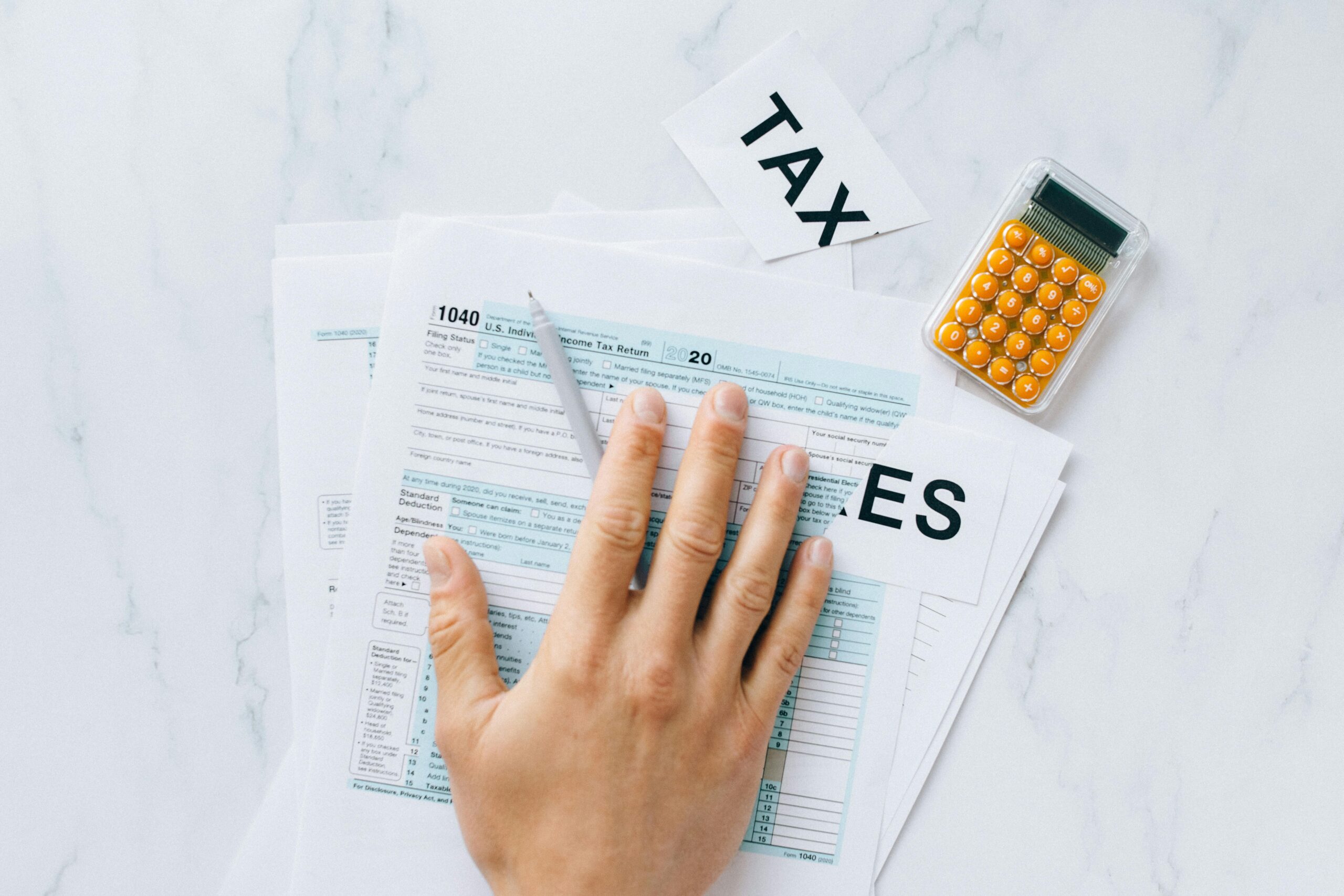
Self Assessment Tax Return UK — What HMRC Does Not Tell You (2026)
Self assessment tax return UK — if you need to file one, you’re not alone. Every year, millions of people across the UK submit their tax returns to HMRC, yet many still overpay or make costly mistakes. The problem is that HMRC does not always make everything clear — especially when it comes to allowable expenses, deadlines, and penalties. In this guide, we break down how the self assessment tax return UK system really works, what you can claim, and how to avoid common mistakes.
Self Assessment Tax Return UK — What You Need to Know
You must file a self assessment tax return in the UK if you are self-employed and earned more than £1,000 from self-employment in the tax year. If you are a company director. If you earned more than £100,000 in the tax year regardless of how that income was generated. If you have income from property rental. If you have foreign income. If you have income from savings or investments above certain thresholds. Or if you received Child Benefit and either you or your partner earned more than £60,000 — the High Income Child Benefit Charge threshold which changed in April 2024.
If you are unsure whether you need to file, use HMRC’s checker tool at gov.uk. Filing when you do not need to is harmless. Failing to file when you do need to results in automatic penalties starting at £100 for missing the deadline and escalating to £1,600 or more for extended delays.
The Expenses Self-Employed People in the UK Consistently Fail to Claim
This is the section that saves people money. HMRC allows self-employed people to deduct legitimate business expenses from their income before calculating tax. Every pound of allowable expenses reduces your taxable profit by a pound — and therefore reduces your tax bill.
The expenses most commonly missed on self assessment tax returns in the UK include the following.
Use of home as office. If you work from home you can claim a proportion of your household bills — heating, electricity, broadband — against your self-employed income. HMRC offers a simplified flat rate of £26 per month for anyone working more than 101 hours per month from home. Alternatively you can calculate the actual proportion of your home used for business and claim accordingly — often a larger deduction.
Mobile phone costs. If you use your personal mobile phone for business calls and data you can claim the business proportion of your bill as an expense. Keep records of business versus personal usage.
Professional subscriptions and memberships. Annual subscriptions to professional bodies, trade associations, and industry publications relevant to your work are fully deductible.
Training and professional development. Courses, books, online subscriptions, and training directly related to your current business activity are allowable expenses. Note that training for a new career or qualification is not deductible — it must relate to skills you use in your existing business.
Bank charges and interest on business borrowing. Fees charged by your bank on a business account and interest on loans taken out for business purposes are deductible expenses.
Accountancy fees. The cost of preparing your self assessment tax return — whether you use an accountant or accounting software — is itself a deductible business expense.
Travel costs. Journeys made wholly and exclusively for business purposes — visiting clients, attending business meetings, travelling to temporary workplaces — are deductible. Your normal commute to a regular workplace is not. Keep records of business mileage if you use your personal vehicle — HMRC’s approved mileage rate is currently 45p per mile for the first 10,000 miles per year.
The Capital Allowances Most UK Self-Employed People Miss
When you buy equipment for your business — a laptop, a camera, tools, machinery — you cannot simply deduct the full cost as an expense in the year of purchase under standard accounting rules. Instead you claim capital allowances which spread the deduction over time.
However the Annual Investment Allowance allows UK businesses to deduct the full cost of most plant and machinery purchases — up to £1 million per year — in the year of purchase. For most self-employed people this means any equipment purchase can be fully deducted immediately rather than over several years.
Many self-employed people on self assessment tax returns in the UK are unaware of this and either fail to claim equipment costs at all or claim them incorrectly.
The Pension Contribution Strategy That Reduces Your Tax Bill
Pension contributions made by self-employed people in the UK receive tax relief at your marginal rate. For a basic rate taxpayer contributing £800 to a personal pension, the government adds £200 in tax relief — giving a £1,000 pension contribution at a net cost of £800.
For higher rate taxpayers the benefit is even greater. A 40 percent taxpayer contributing to a pension can claim additional relief through their self assessment tax return — effectively receiving £400 of tax relief on every £600 they contribute themselves.
Making pension contributions before the end of the tax year and recording them correctly on your self assessment is one of the most consistently underused legal tax reduction strategies available to UK self-employed people.
The Mistakes That Attract HMRC Attention on Self Assessment Tax Returns
HMRC uses sophisticated data matching systems to identify self assessment tax returns that appear inconsistent with other data it holds. Certain patterns consistently attract scrutiny.
Expenses that seem disproportionately high relative to income. Claiming £30,000 of expenses against £35,000 of income will attract attention unless the nature of your business makes this plausible and well-documented.
Significant year-on-year changes in profitability without an obvious explanation. A business that reports very high profits one year and very low profits the next invites questions about whether income has been deferred or expenses inflated.
Lifestyle inconsistencies. HMRC can and does cross-reference declared income against property ownership, vehicle registration, social media activity, and other publicly available data. Declaring a very low income while visibly living a high-cost lifestyle is a red flag.
Missing the payment deadline. The self assessment tax return must be filed online by 31 January following the end of the tax year. Payment of any tax owed is also due by 31 January. Missing this deadline triggers an automatic £100 penalty regardless of whether you have any tax to pay — and interest begins accruing on any unpaid tax immediately.
Payments on Account — The Trap That Catches New Self-Employed People
This is the single most common shock for people filing their first self assessment tax return in the UK and it is almost never explained clearly in advance.
If your self assessment tax bill exceeds £1,000, HMRC requires you to make advance payments towards the following year’s tax bill. These payments on account are each equal to 50 percent of your current year’s bill and are due on 31 January and 31 July.
In practice this means in your first year of filing, if you owe £3,000 in tax you will actually pay £4,500 in January — £3,000 for the year just ended plus £1,500 as the first payment on account for the following year. Many first-time filers are completely unprepared for this and face significant financial difficulty as a result.
Set aside at least 25 to 30 percent of every payment you receive as self-employed income into a separate savings account throughout the year. This ensures you are never caught short when the January deadline arrives.
The Bottom Line on Self Assessment Tax Returns in the UK
The self assessment system in the UK rewards people who understand it and penalises those who do not. Claiming every legitimate expense, understanding capital allowances, making strategic pension contributions, and planning for payments on account are not tax avoidance — they are your legal entitlements.
File on time. Keep accurate records throughout the year. Claim what you are owed. And if your affairs are complicated, the cost of a good accountant is almost always recovered many times over in the tax savings they identify.
For more on managing your money effectively read our guide on budgeting tips for UK households — because understanding your tax position is only half the picture.
Disclaimer: Tax rules change regularly and this article reflects the position as of 2026. This is for informational purposes only and does not constitute tax advice. Always consult a qualified accountant or tax adviser for advice specific to your circumstances.